The End?
I’m writing this on the last day of my trip as I speed towards Tokyo on the Shinkansen, which is perhaps my favorite train in the world. I’ve spent the better part of the last 300 days traveling from Sydney to Tokyo, a total of ten countries and dozens of cities, posting more than 100 blog entries and 3,000 photographs. That I'm going home hasn’t completely sunk in. I’ve been taking this trip one day, one week, one city at a time, and the end has crept up on me. So it is with mixed feelings that I return to Tokyo, where I’ll spend one more night before boarding a trans-Pacific flight (my least favorite form of travel) back to the U.S. of A.
I’m excited to return to familiar territory, where I speak the language and I am well versed in the customs. I’m looking forward to seeing family and friends, to eat my mother’s cooking and watch late-night cable television. But I’ll miss the freedom of the open road, the expected pleasures and unexpected impediments that make for open-ended travel. I’ve got an itch (no, not that kind of itch), formed early in life, that leaves me restless. It will lead to more travel in the future. For now, it's time to reflect on 2007 and look to 2008.
As a final installment of Packmonkey: Asia (leaving the door open to Packmonkey: North America and Packmonkey: Europe), I offer a short summary of the good, the bad and the in-between. This is hardly a recap of my entire ten months on the road, merely a short trip down memory lane. I plan to offer a little more reminiscing once I'm back in Los Angeles.
Everything Australian: I spent nine weeks in Australia in February and March, traveling overland along the southern and western coasts from Sydney to Broome, then into the Outback on a 4WD trek from Adelaide to Alice Springs. Australia is a beautiful country. The interior is desolate, stark and remote, the coasts rugged and wild. As a whole, it is a challenging, rewarding and breathtaking place to travel. I will never forget sleeping under the stars in the Painted Desert or swimming in sea lions in the Eyre Peninsula. I also made some lasting friendships in Oz: Bernie and Kate, Dean, Elizabeth – keep in touch! Australia raised the bar for all subsequent destinations. The time I spent in Australia amounted to the trip of a lifetime. Had I returned home after the Outback, I would have been satisfied.
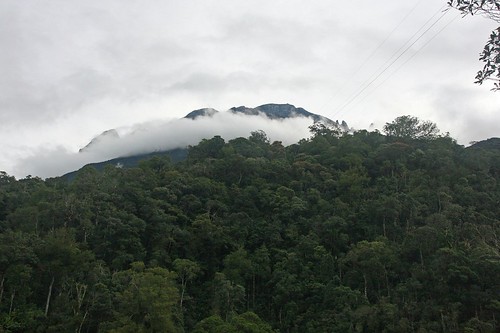
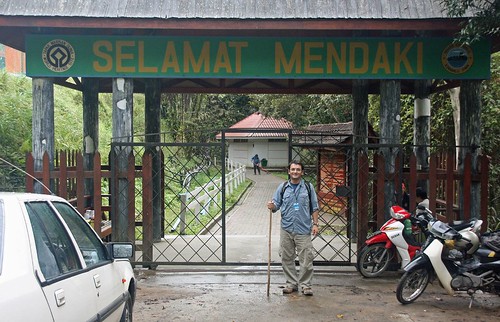
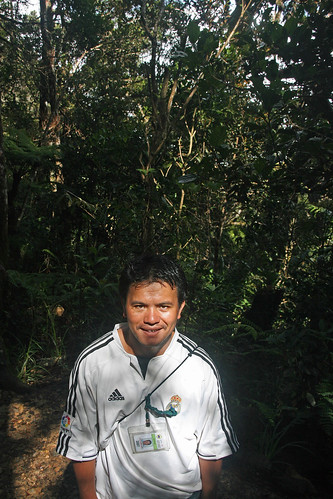
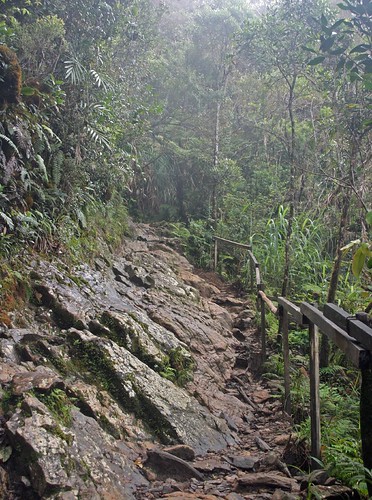
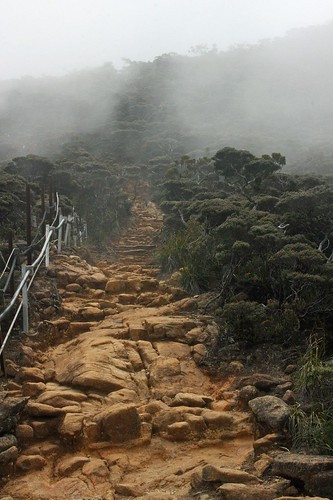
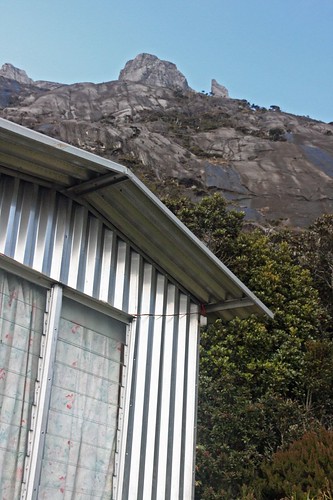
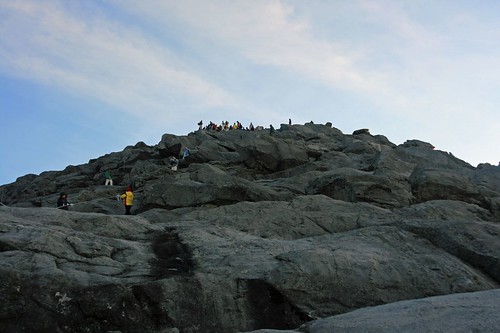
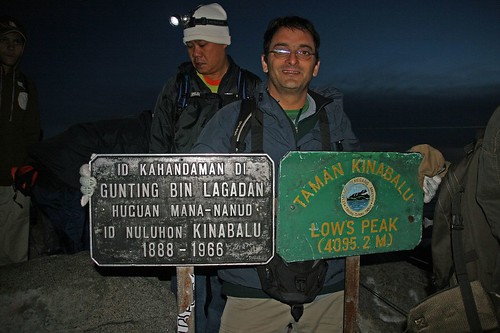
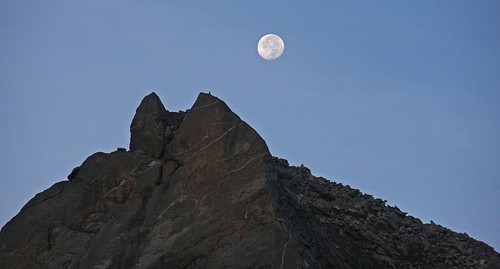
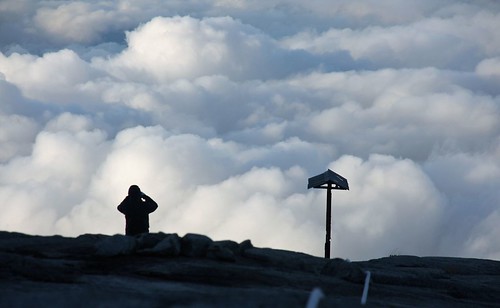
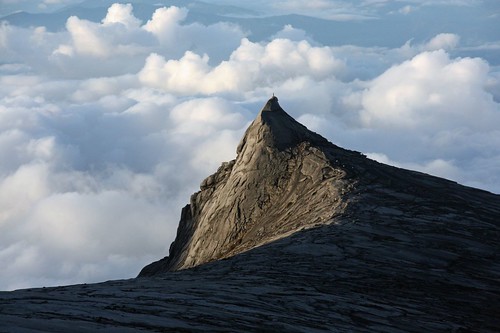
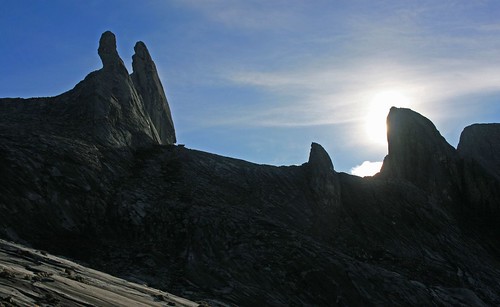
Monkeys and Mountains in Malaysian Borneo: I arrived in Malaysia with low expectations. I left in love with the country. The Malaysian people were some of the friendliest I encountered - always a smile for the wandering Jew in their midst - and the food unexpectedly satisfying. The three weeks I spent in Malaysian Borneo sealed the deal: encounters with the orangutans, proboscis and langur monkeys, Uncle Tan’s jungle camp and the trek to the summit of Mt. Kinabalu, which left me exhausted but marked two of the best days of the whole year.
Backpackers’ Laos: Backpackers flock to Southeast Asia, so it’s no surprise that there’s a backpacking culture in this part of the world. My time in Laos, from my arrival at the border with Thailand to my departure from Vientiane, was the ultimate backpacker’s experience. The country itself is wonderful, remote and rural, yet unspoiled by the tourism you encounter in Thailand and Vietnam or the tragic history of Cambodia. Laos had been described to me as Thailand of 20 or 30 years ago. Ten short days in country showed me the Southeast Asia I dreamed of visiting.
What made my time in Laos really special was the friendships I made. Two days floating down the Mekong solidified a bond with my French amis, Guillaume and Emmanuelle. We spent the evenings in Luang Prebang at a sidewalk bar laughing over glasses of cloudy pastis, the days meeting the young monks at the city’s temples or swimming at the tranquil waterfalls outside of town. In Vang Vieng I met Mitzi and her daughter, Miksa, from Hawaii. We explored caves and rented bicycles for a trip to the local market. At night we relaxed over cheap food and beer at the backpacker cafes. Miksa and I even found time for a marathon afternoon watching "The Simpsons." Traveling friendships are short and intense, and one of the joys of travel.
Food, Food, Food: Who doesn’t love to eat? Everywhere I traveled there was something new to taste: kangaroo sausages in Outback Australia, blue rice in Malayasia, chicken rice in Singapore, khao soy in Northern Thailand, even deep-fried tarantulas in Cambodia. There were also some old favorites to devour: sushi and ramen in Toyko, curry and pad thai in Thailand. Somehow, I still haven't tried durian.
Indonesia Headaches: I arrived in Indonesia with high hopes. Two weeks later I couldn’t leave get out the country fast enough. From the touts and taxi drivers oozing desperation in Bali to the scam artists in Java who took me for a ride, I was overwhelmed by the amount of ill-will I felt in Indonesia. I’ve heard reports from other travelers about good times in Bali and Java, so I will not say the country is filled with bad people and bad times. At least I left with two good memories: sunrise at Mr. Bromo and an afternoon spent wandering the ancient Buddhist temple at Borobudur. These two places almost make up for all the aggravation I experienced everywhere else in Indonesia.
Tourism in Thailand and Vietnam: Thailand and Vietnam are two of the most popular destinations in Southeast Asia. They were also, for me, two of the most disappointing destinations on my trip. In the island of Southern Thailand, I encountered hoards of westerners traveling from one beach to another. It seemed that the locals in sight were either serving the foreigners beer and food or cleaning their rooms. There was also the terror of the night of the flying termites. The beaches are nice enough, but crowded and dirty. Were it not for the energy of Bangkok or the charm of Chiang Mai, I’d have to write off Thailand as a loss.
In Vietnam, the tourism treadmill also operates at full speed. Perhaps it was because I’d been on the road for six months, or perhaps it was because I was exhausted from a whirlwind tour of Cambodia. Whatever it was, I found Vietnam to be hectic in all the wrong ways. From the overcrowded and polluted streets of Ho Chi Minh City and Hanoi, where even the act of crossing the street was hazardous, to the constant haggling over prices, Vietnam was a downer.
Life and Death in Cambodia: I only spent 10 days in Cambodia, but those days contained some of the best and worst times of my trip. On the positive side was an extraordinary tour that took me into the Cambodian countryside and introduced me to the real Cambodia of today. The tour also resulted in a few of those backpackers’ friendships that I mentioned earlier. I loved drinking late into the night at a small bar in Kampong Cham and on the beach at Sihanoukville with Sally and Renee, nurses from Adelaide, Australia. And Kathe, a university student from Holland, turned into a close and unexpected friend.
On the down side was a bus accident that left two Cambodians dead and exposed the utter corruption and poverty of Cambodian society. I refer you to the impassioned blog post I wrote on the afternoon of the accident.
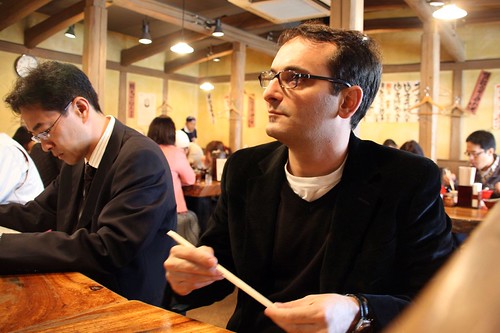
Return to Tokyo: I knew that I wanted to end my trip in Japan, to return to a place I lived for 18 months in the early 1990s. I did just that and I am now reminded of that old adage about not being able to go home again. In the years since I lived in Tokyo, I’ve changed, Japan has changed and the world has changed. I love the country and the Japanese. I loved taking Japanese lessons and exploring the country again. But in the end I could have done with less. I’d been on the road for most of the year and was tired, wanted to do little more than curl up with a good book and a glass of whiskey. So I spent most of my time in Tokyo enjoying solitude and rest.
My time in Tokyo was good for the spirit, but perhaps something of a missed opportunity. Perhaps what it taught me is that the next time I take off and travel the world, I’ll impose a six-month limit. For me, that seems just right.
So on the eve of my return to the U.S., I look forward to reuniting with family and friends, to starting a new chapter in my life that builds on everything that’s come before.
Some people say travel changes you. I think that’s a big fat myth. I’m still the same person I was when I started this trip. What I have now that I didn’t have before is a greater understanding of the world and my place in it. I think I’m more humble. I’m definitely more aware of how fortunate I am. My place in this world is small, but my future is unlimited. The end? I don't think so. Just another beginning.
A HUGE thanks to everyone who checked in and supported me over the past ten months. I will see you all very soon!
I’m excited to return to familiar territory, where I speak the language and I am well versed in the customs. I’m looking forward to seeing family and friends, to eat my mother’s cooking and watch late-night cable television. But I’ll miss the freedom of the open road, the expected pleasures and unexpected impediments that make for open-ended travel. I’ve got an itch (no, not that kind of itch), formed early in life, that leaves me restless. It will lead to more travel in the future. For now, it's time to reflect on 2007 and look to 2008.
As a final installment of Packmonkey: Asia (leaving the door open to Packmonkey: North America and Packmonkey: Europe), I offer a short summary of the good, the bad and the in-between. This is hardly a recap of my entire ten months on the road, merely a short trip down memory lane. I plan to offer a little more reminiscing once I'm back in Los Angeles.
Everything Australian: I spent nine weeks in Australia in February and March, traveling overland along the southern and western coasts from Sydney to Broome, then into the Outback on a 4WD trek from Adelaide to Alice Springs. Australia is a beautiful country. The interior is desolate, stark and remote, the coasts rugged and wild. As a whole, it is a challenging, rewarding and breathtaking place to travel. I will never forget sleeping under the stars in the Painted Desert or swimming in sea lions in the Eyre Peninsula. I also made some lasting friendships in Oz: Bernie and Kate, Dean, Elizabeth – keep in touch! Australia raised the bar for all subsequent destinations. The time I spent in Australia amounted to the trip of a lifetime. Had I returned home after the Outback, I would have been satisfied.
Monkeys and Mountains in Malaysian Borneo: I arrived in Malaysia with low expectations. I left in love with the country. The Malaysian people were some of the friendliest I encountered - always a smile for the wandering Jew in their midst - and the food unexpectedly satisfying. The three weeks I spent in Malaysian Borneo sealed the deal: encounters with the orangutans, proboscis and langur monkeys, Uncle Tan’s jungle camp and the trek to the summit of Mt. Kinabalu, which left me exhausted but marked two of the best days of the whole year.
Backpackers’ Laos: Backpackers flock to Southeast Asia, so it’s no surprise that there’s a backpacking culture in this part of the world. My time in Laos, from my arrival at the border with Thailand to my departure from Vientiane, was the ultimate backpacker’s experience. The country itself is wonderful, remote and rural, yet unspoiled by the tourism you encounter in Thailand and Vietnam or the tragic history of Cambodia. Laos had been described to me as Thailand of 20 or 30 years ago. Ten short days in country showed me the Southeast Asia I dreamed of visiting.
What made my time in Laos really special was the friendships I made. Two days floating down the Mekong solidified a bond with my French amis, Guillaume and Emmanuelle. We spent the evenings in Luang Prebang at a sidewalk bar laughing over glasses of cloudy pastis, the days meeting the young monks at the city’s temples or swimming at the tranquil waterfalls outside of town. In Vang Vieng I met Mitzi and her daughter, Miksa, from Hawaii. We explored caves and rented bicycles for a trip to the local market. At night we relaxed over cheap food and beer at the backpacker cafes. Miksa and I even found time for a marathon afternoon watching "The Simpsons." Traveling friendships are short and intense, and one of the joys of travel.
Food, Food, Food: Who doesn’t love to eat? Everywhere I traveled there was something new to taste: kangaroo sausages in Outback Australia, blue rice in Malayasia, chicken rice in Singapore, khao soy in Northern Thailand, even deep-fried tarantulas in Cambodia. There were also some old favorites to devour: sushi and ramen in Toyko, curry and pad thai in Thailand. Somehow, I still haven't tried durian.
Indonesia Headaches: I arrived in Indonesia with high hopes. Two weeks later I couldn’t leave get out the country fast enough. From the touts and taxi drivers oozing desperation in Bali to the scam artists in Java who took me for a ride, I was overwhelmed by the amount of ill-will I felt in Indonesia. I’ve heard reports from other travelers about good times in Bali and Java, so I will not say the country is filled with bad people and bad times. At least I left with two good memories: sunrise at Mr. Bromo and an afternoon spent wandering the ancient Buddhist temple at Borobudur. These two places almost make up for all the aggravation I experienced everywhere else in Indonesia.
Tourism in Thailand and Vietnam: Thailand and Vietnam are two of the most popular destinations in Southeast Asia. They were also, for me, two of the most disappointing destinations on my trip. In the island of Southern Thailand, I encountered hoards of westerners traveling from one beach to another. It seemed that the locals in sight were either serving the foreigners beer and food or cleaning their rooms. There was also the terror of the night of the flying termites. The beaches are nice enough, but crowded and dirty. Were it not for the energy of Bangkok or the charm of Chiang Mai, I’d have to write off Thailand as a loss.
In Vietnam, the tourism treadmill also operates at full speed. Perhaps it was because I’d been on the road for six months, or perhaps it was because I was exhausted from a whirlwind tour of Cambodia. Whatever it was, I found Vietnam to be hectic in all the wrong ways. From the overcrowded and polluted streets of Ho Chi Minh City and Hanoi, where even the act of crossing the street was hazardous, to the constant haggling over prices, Vietnam was a downer.
Life and Death in Cambodia: I only spent 10 days in Cambodia, but those days contained some of the best and worst times of my trip. On the positive side was an extraordinary tour that took me into the Cambodian countryside and introduced me to the real Cambodia of today. The tour also resulted in a few of those backpackers’ friendships that I mentioned earlier. I loved drinking late into the night at a small bar in Kampong Cham and on the beach at Sihanoukville with Sally and Renee, nurses from Adelaide, Australia. And Kathe, a university student from Holland, turned into a close and unexpected friend.
On the down side was a bus accident that left two Cambodians dead and exposed the utter corruption and poverty of Cambodian society. I refer you to the impassioned blog post I wrote on the afternoon of the accident.
Return to Tokyo: I knew that I wanted to end my trip in Japan, to return to a place I lived for 18 months in the early 1990s. I did just that and I am now reminded of that old adage about not being able to go home again. In the years since I lived in Tokyo, I’ve changed, Japan has changed and the world has changed. I love the country and the Japanese. I loved taking Japanese lessons and exploring the country again. But in the end I could have done with less. I’d been on the road for most of the year and was tired, wanted to do little more than curl up with a good book and a glass of whiskey. So I spent most of my time in Tokyo enjoying solitude and rest.
My time in Tokyo was good for the spirit, but perhaps something of a missed opportunity. Perhaps what it taught me is that the next time I take off and travel the world, I’ll impose a six-month limit. For me, that seems just right.
So on the eve of my return to the U.S., I look forward to reuniting with family and friends, to starting a new chapter in my life that builds on everything that’s come before.
Some people say travel changes you. I think that’s a big fat myth. I’m still the same person I was when I started this trip. What I have now that I didn’t have before is a greater understanding of the world and my place in it. I think I’m more humble. I’m definitely more aware of how fortunate I am. My place in this world is small, but my future is unlimited. The end? I don't think so. Just another beginning.
A HUGE thanks to everyone who checked in and supported me over the past ten months. I will see you all very soon!
Labels: Adventure, Australia, Borneo, Cambodia, Cities, Food, Indonesia, Japan, Laos, Malaysia, Singapore, Sydney, Technology, Thailand, Travel, Treks, Writing
posted by Matthew Klein at 3:25 PM
9 comments